Quick Information

RECOMMENDED DURATION

4 hours

EXPECTED WAIT TIME - STANDARD

30-60 mins (Peak), 0-30 mins (Off Peak)

EXPECTED WAIT TIME - SKIP THE LINE

0-30 mins (Peak), 0-30 mins (Off Peak)

Plan your visit

Did you know?

The Cu Chi Tunnels stretch over 120 kilometers, forming a vast underground network used for living quarters, storage, and military operations.

During the Vietnam War, the tunnels housed entire communities, including kitchens, hospitals, and command centers.

Many tunnel entrances were cleverly camouflaged and equipped with booby traps to deter enemy soldiers.

What are the Cu Chi Tunnels?

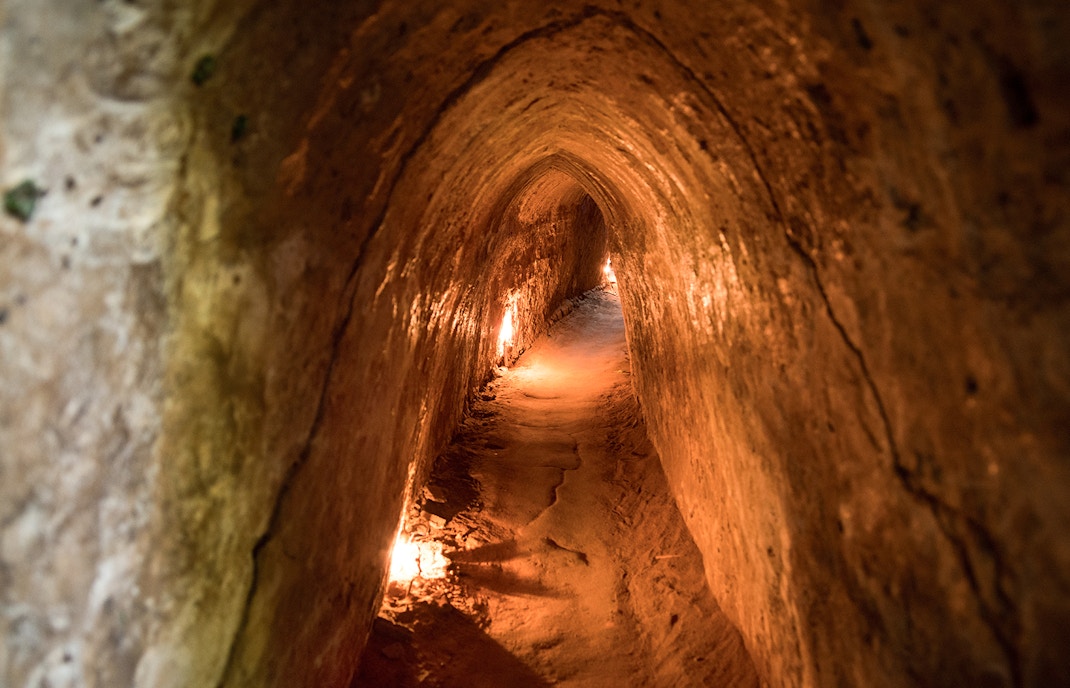
Hidden beneath the forests outside Ho Chi Minh City lies one of Vietnam’s most remarkable wartime legacies, the Cu Chi Tunnels. Once a 250-kilometer underground network used by Viet Cong fighters, today the tunnels stand as both a historic landmark and an interactive experience. Visitors can crawl through safe sections of the tunnels, see ingenious wartime inventions, and hear powerful stories from guides who bring this chapter of history to life.

What you’ll find inside Cu Chi Tunnels
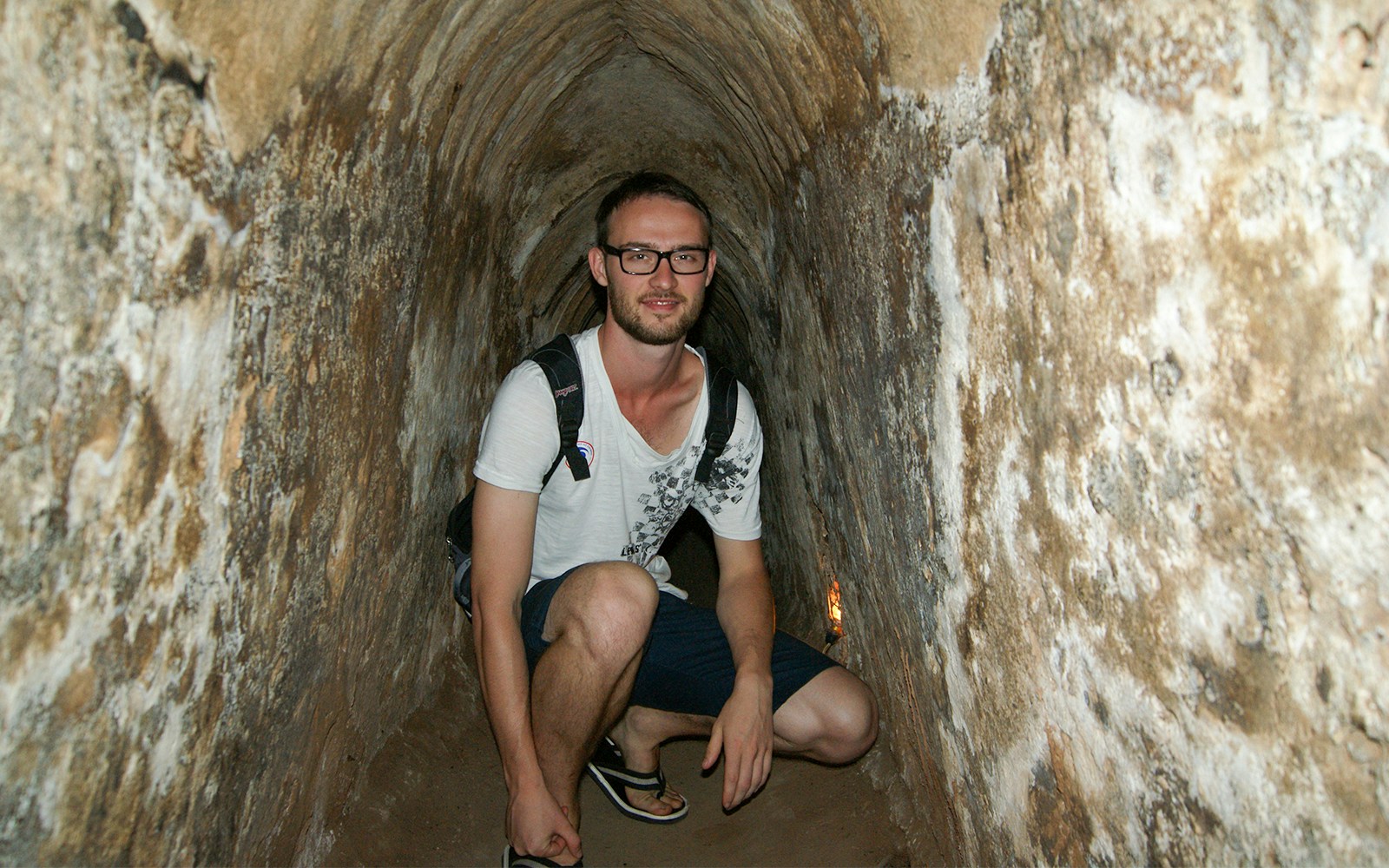
Young tourist crouching inside narrow Cu Chi tunnel in Vietnam.

Crawl-through tunnels

Navigate sections enlarged for safety, offering a real feel of wartime underground life.

Guide demonstrating booby trap mechanism to tourists at Cu Chi Tunnel, Vietnam.
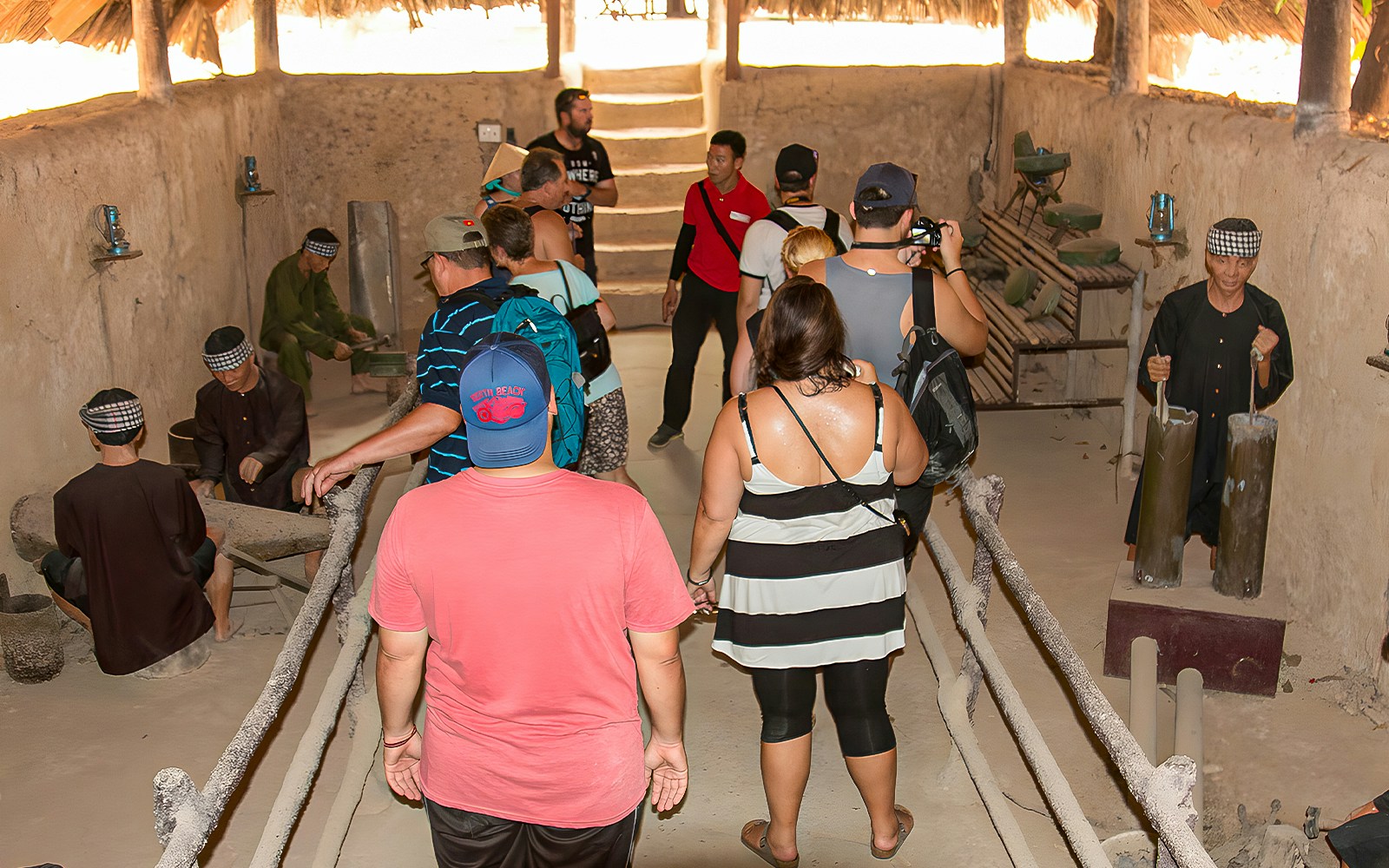
Tour group with guide in Cu Chi tunnel kitchen, observing traditional cooking methods.
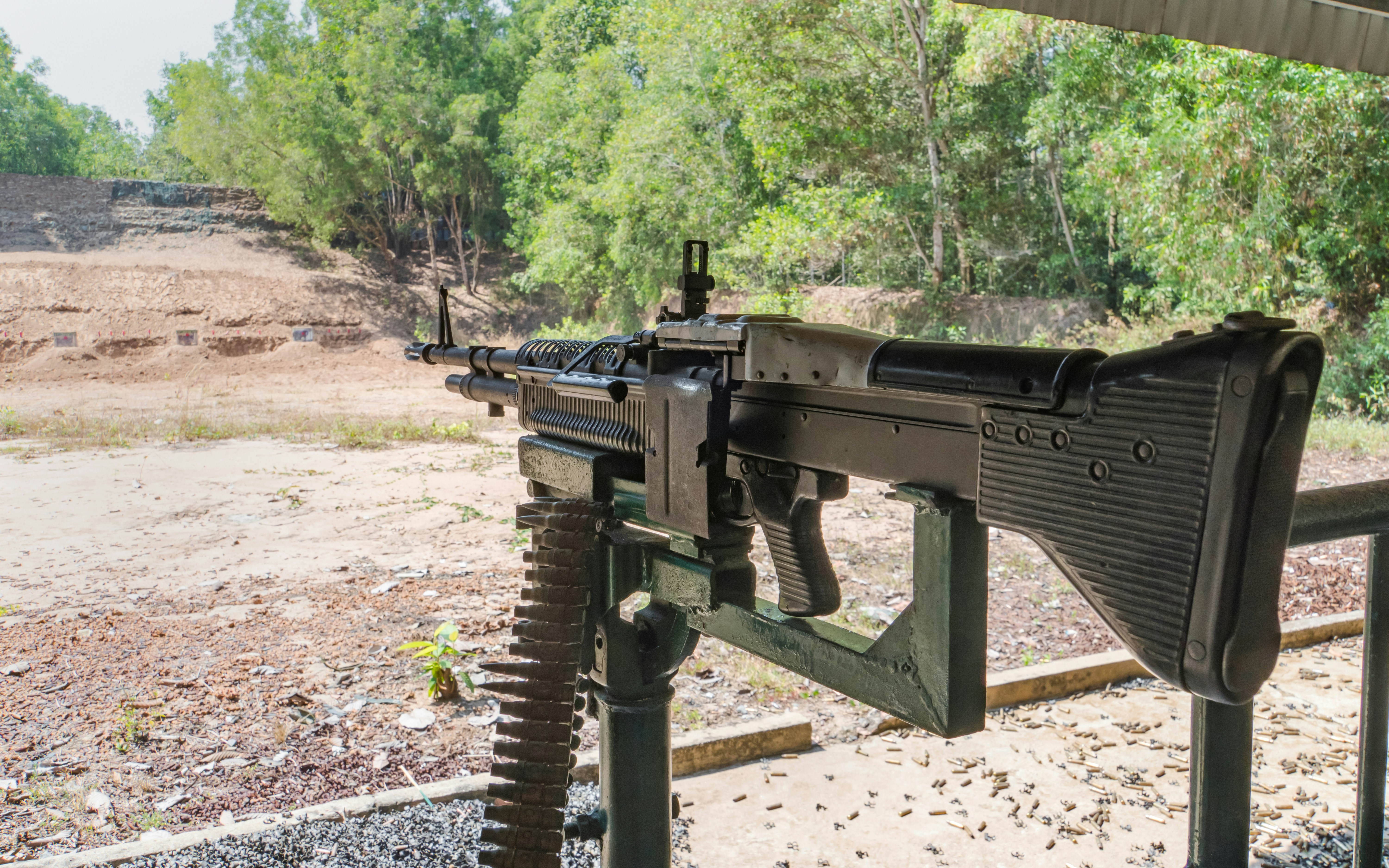
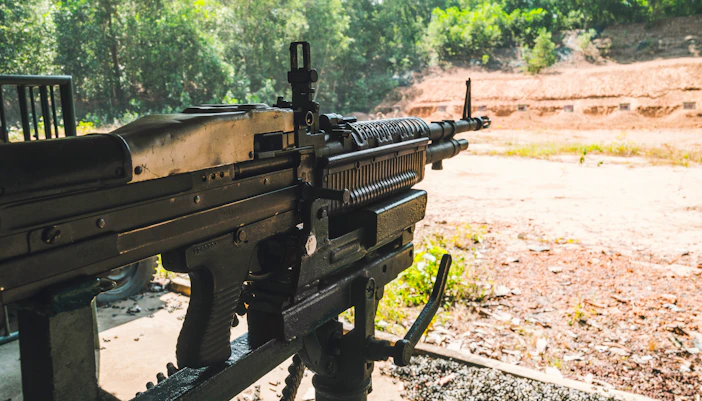
Machine gun at firing range, Cu Chi Tunnels, Ho Chi Minh City.
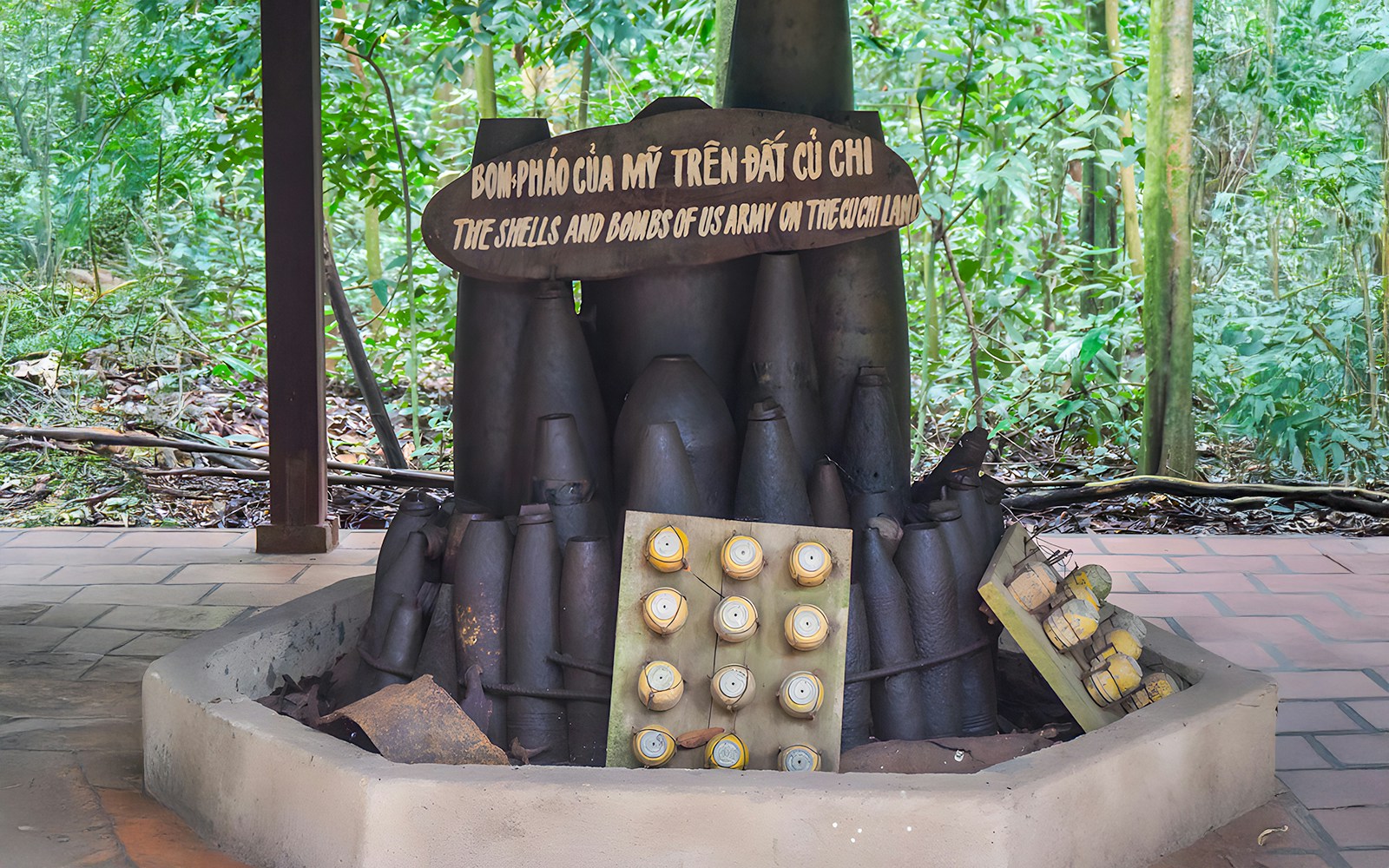
US army shells and bombs display at Cu Chi tunnel, Vietnam.

Two main sites: Ben Dinh & Ben Duoc
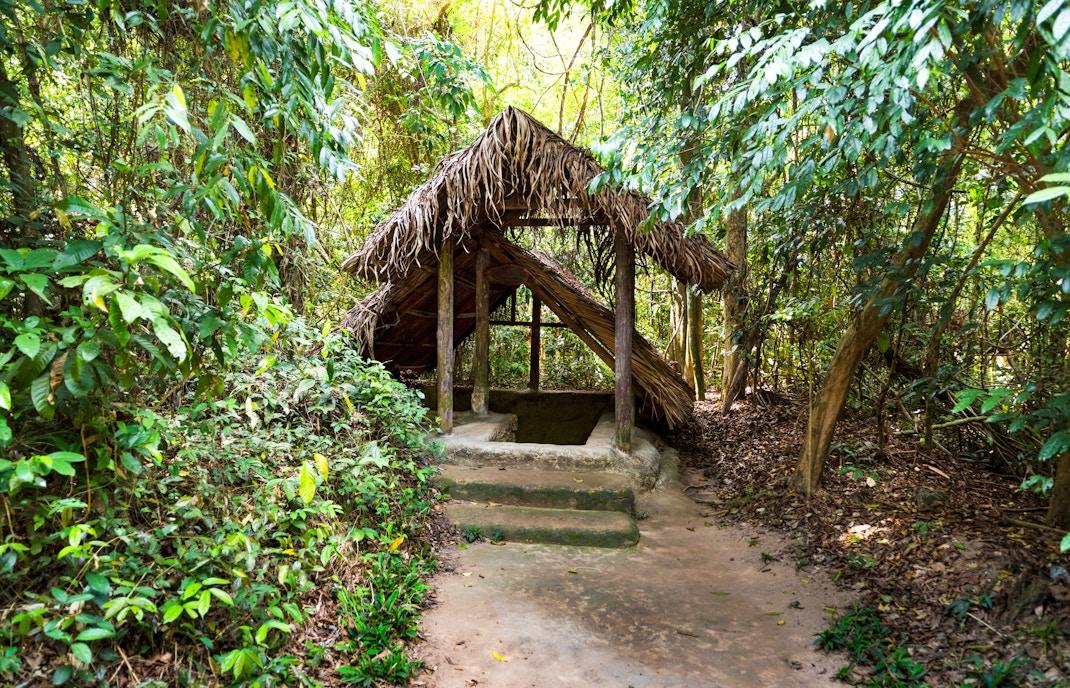
Ben Dinh
The more popular site, with tunnels widened for accessibility. Great if you’re a first-time visitor or on group tours.

Ben Duoc

A more authentic site with original, narrower tunnels. Recommended for those seeking a less touristy, more historical experience.

Special experiences you shouldn’t miss
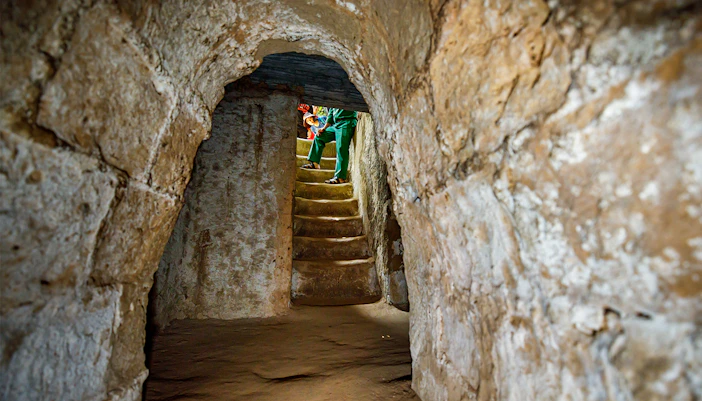
Crawl through the tunnels
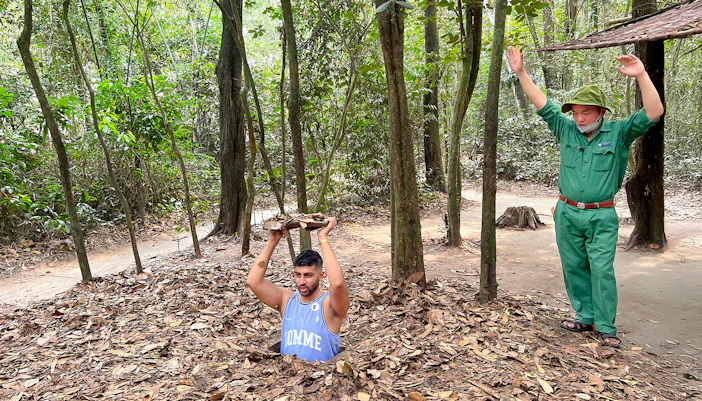
A once-in-a-lifetime chance to go underground and retrace history.

Watch live trap demos

See how survival tactics and defenses were built into daily life.

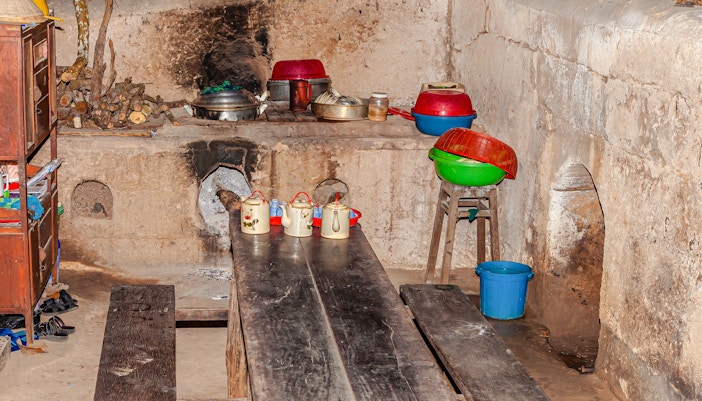
Visit underground kitchens

Learn how smoke was cleverly dispersed to avoid detection.

Try the shooting range

Fire authentic wartime rifles under safe supervision (extra fee).

Walk outdoor exhibits

Explore bomb craters, soldier mannequins, and ingenious disguises.

A historical timeline of the Cu Chi Tunnels

  • Late 1940s: Tunnels’ construction begins during the First Indochina War as the Viet Minh combat French colonial forces.
  • Late 1950s: Expansion continues as resistance against the South Vietnamese government intensifies.
  • Early 1960s: The Viet Cong enlarge and transforms the tunnel network into a complex system with living quarters, hospitals, and command centers.
  • 1966: Operation Crimp is launched by U.S. and Australian forces to locate and destroy the tunnels, but proves challenging to eliminate.
  • 1967: Operation Cedar Falls is launched by U.S. and South Vietnamese forces to dismantle the tunnels, but fails. 
  • 1975: Following Saigon’s fall, the country recognizes its historical significance and begins preserving it as a memorial site.​
  • 1990s–present: The Ben Dinh and Ben Duoc tunnel sections are opened to the public with educational exhibits and reenactments.

Where are the Cu Chi Tunnels, and how do I get there?

Vietnamese taxi with green taxi meter sign on roof.

Address: Cu Chi District, ~60 km northwest of Ho Chi Minh City, Vietnam

Find on Maps

  • By bus: Public buses run regularly; journey takes ~2.5 hours.
  • By car/taxi: Private transfers or taxis take ~1.5 hours.
  • By motorbike: A popular choice for adventurous travelers.
  • By speedboat: Scenic river route, about 1.5 hours from Ho Chi Minh City.
  • Accessibility: Ben Dinh offers easier tunnels and facilities; Ben Duoc is less accessible but more authentic.

Frequently asked questions about Cu Chi Tunnels

The Cu Chi Tunnels are an extensive underground network stretching over 250 kilometers, which played a crucial role in the Viet Cong's guerrilla warfare tactics and served as living quarters, supply routes, and strategic hideouts. Today, they stand as a testament to resilience and ingenuity.​